
Publicly documented practitioners

BSU & BAU People Index

A sourced index of publicly documented FBI profiling and behavioral-analysis practitioners.

Editorial reconstruction of behavioral analysts reviewing research together
Editorial reconstruction. Individual profile photographs are shown only when a reliable, attributable image is available.

This index contains 21 publicly documented practitioners and leaders connected to FBI profiling, criminal investigative analysis, or specialized behavioral consultation.

Evidence boundary: the FBI does not publish a complete historical personnel roster. “All” here means every person located in credible public records during this research pass—not every employee who has ever served in a BSU or BAU. Unit leaders, Quantico analysts, specialized practitioners, and field profilers are labeled separately.

Founding BSU

Early FBI profiling instructor and BSU member

Howard Teten

Teten brought criminology and case-based behavioral instruction to the FBI Academy. The FBI identifies him and Patrick Mullany as the instructors whose work preceded and entered the Behavioral Science Unit created in 1972.

Read sourced profile
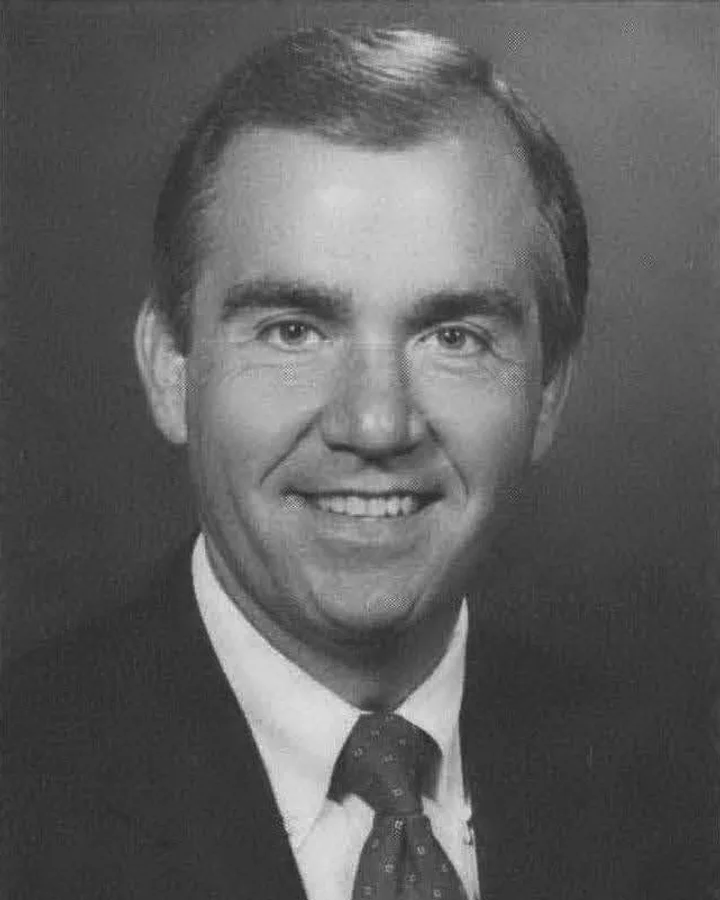
FBI psychologist, instructor, and founding BSU member

Patrick Mullany

Mullany paired psychological training with Teten’s criminological approach. The FBI’s institutional history places him in the original 1972 unit and credits his professional psychology background as an important part of its early development.

Read sourced profile

First leader of the Behavioral Science Unit

Jack Kirsch

The FBI identifies Supervisory Special Agent Jack Kirsch as the leader of the Behavioral Science Unit when it was established in 1972. This profile includes him as unit leadership, not as a claim that every leadership duty was profiling.

Read sourced profile

BSU / NCAVC

Archival portrait of Robert Ressler

BSU agent and violent-offender research practitioner

Robert Ressler

Ressler joined the BSU in 1975 and became closely associated with its prison-interview and serial-murder research. FBI histories identify Ressler and John Douglas as agents who conducted systematic interviews used in the development of behavioral analysis.

Read sourced profile
Portrait of John E. Douglas

BSU/NCAVC criminal investigative analyst and unit chief

John Douglas

Douglas conducted violent-offender interviews, consulted on cases, and helped formalize criminal investigative analysis. The FBI’s historical account pairs his interview work with Ressler’s while treating behavioral analysis as investigative assistance rather than proof.

Read sourced profile

BSU specialist in sexual-crime investigation

Roy Hazelwood

Hazelwood joined the BSU in 1978 and led FBI training concerning sexual crimes. His practitioner writing addressed behavior-oriented victim interviews, sexual-offense analysis, and distinctions among modus operandi, ritual, and signature.

Read sourced profile

BSU unit chief and founding NCAVC administrator

Roger Depue

FBI Law Enforcement Bulletin archives identify Depue as a Behavioral Science Unit agent and later unit chief. He was involved in the development of the NCAVC and its police fellowship in criminal personality profiling.

Read sourced profile

BSU/NCAVC profiler and violent-offender interviewer

Bill Hagmaier

Hagmaier joined the FBI Academy’s Behavioral Science Unit in the 1980s and became publicly associated with the unit’s violent-offender interview program, including repeated interviews of Ted Bundy. Public documentation is less complete than for the founding figures.

Read sourced profile

BSU specialist in crimes against children

Kenneth Lanning

Lanning states that he spent twenty years in the FBI Behavioral Science Unit conducting training, research, and consultation concerning the sexual victimization of children. His specialty demonstrates that BSU work extended beyond serial homicide.

Read sourced profile

NCAVC criminal investigative analyst and threat analyst

Gregg McCrary

McCrary served in the NCAVC criminal investigative analysis program as a profiler and threat analyst. His public work emphasizes profiles as case-specific hypotheses grounded in facts rather than generic personality readings.

Read sourced profile

BSU profiler and FBI crisis-negotiation specialist

Clinton Van Zandt

Van Zandt combined Behavioral Science Unit profiling work with extensive crisis-negotiation experience. His inclusion is role-specific: negotiation and behavioral consultation overlap, but they are not identical disciplines.

Read sourced profile

BAU

FBI behavioral analyst specializing in violent crime

Mark Safarik

Safarik served as an FBI agent and behavioral analyst, with published work concerning elderly female victims and sexual homicide. An archived FBI account stresses that his work produced behavioral leads, not a magical or self-proving profile.

Read sourced profile

BAU profiler, researcher, and threat-assessment practitioner

Mary Ellen O’Toole

O’Toole served in the FBI Behavioral Analysis Unit and published on threat assessment, school violence, psychopathy, and behavioral classification. FBI material identifies her BAU service and Academy teaching.

Read sourced profile

BAU criminal profiler and forensic linguist

James R. Fitzgerald

Fitzgerald served as an FBI criminal profiler and developed a specialty in forensic linguistics and threat assessment. His work is publicly associated with the Unabomber investigation and the analysis of written language as behavioral evidence.

Read sourced profile

BAU profiler specializing in violent crime and child victimization

Jim Clemente

Clemente served as an FBI supervisory special agent and profiler in the Behavioral Analysis Unit, with public work addressing violent offenders and child sexual victimization.

Read sourced profile

BAU profiler and former forensic scientist

Julia Cowley

Cowley served as an FBI profiler in the Behavioral Analysis Unit after work as a forensic scientist. Public accounts connect her BAU practice with serial violent-crime consultation, including the investigation later associated with the Golden State Killer.

Read sourced profile

BAU-4 criminal profiler

Robert Morton

FBI Law Enforcement Bulletin material identifies Morton as a retired supervisory special agent who was assigned to BAU-4, Crimes Against Adult Victims, as a criminal profiler and edited the FBI’s no-body homicide monograph.

Read sourced profile

BAU-4 certified behavioral analyst and major-case specialist

Timothy Keel

The FBI identifies Keel as a certified behavioral analyst, explicitly parenthesized as profiler, and a major-case specialist with Behavioral Analysis Unit 4.

Read sourced profile

BAU targeted-violence profiler and threat-assessment program manager

Molly Amman

Amman served in the BAU on targeted-violence assessment and management and led the Bureau’s multiagency Behavioral Threat Assessment Center. Her work represents the expansion of behavioral analysis beyond serial violent crime.

Read sourced profile

BAU supervisory special agent and threat-assessment leader

Andre Simons

Simons served as a Behavioral Analysis Unit supervisory special agent and helped develop federal behavioral threat-assessment and threat-management programs. This is a modern preventive specialization, not simply traditional offender profiling.

Read sourced profile

Field profiler / liaison

FBI field profiler and BSU liaison

Candice DeLong

DeLong served as a field profiler and liaison to the Behavioral Science Unit rather than as a permanent Quantico BAU member. Keeping that distinction visible avoids collapsing field consultation, unit membership, and media use of the word profiler.

Read sourced profile